01
Disease prevention
Supporting domestic dog vaccination programmes, veterinary research and disease surveillance to reduce the risk of infectious diseases spreading to wild dog populations.
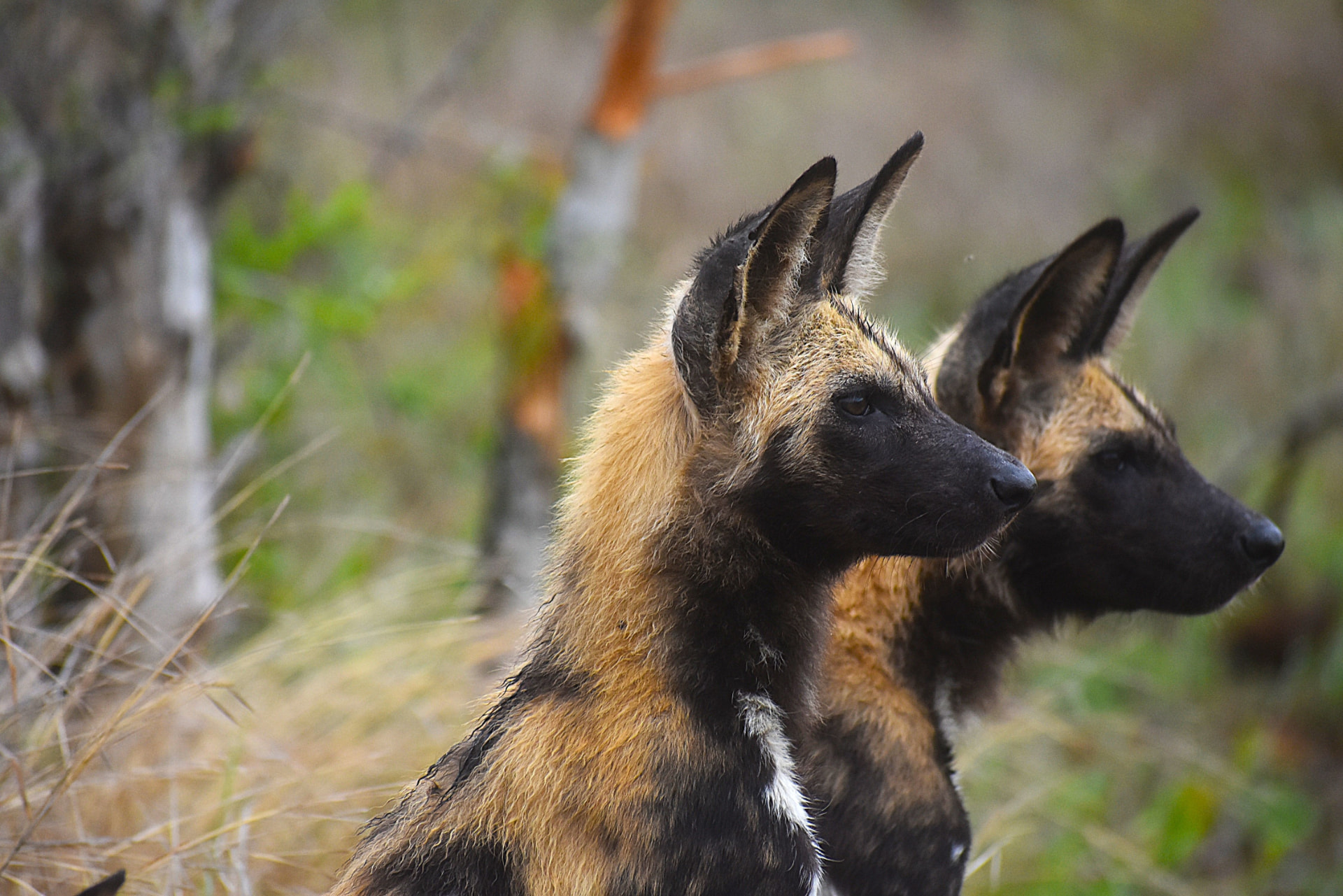
Wilderness Again is a conservation foundation supporting the protection and recovery of African wild dogs in East Africa.
We fund research, disease prevention, habitat conservation and technology-led projects, working with scientists and conservation organisations across East Africa.
What we supportOnce widespread across much of sub-Saharan Africa, African wild dogs are now among the continent’s most endangered large carnivores.
Estimated mature individuals
remaining in the wild
Estimated packs remaining
across Africa
IUCN Red List
classification
Source: IUCN Red List, 2025 assessment
Practical conservation. Long-term thinking.
Four connected areas of support.
Supporting domestic dog vaccination programmes, veterinary research and disease surveillance to reduce the risk of infectious diseases spreading to wild dog populations.
Protecting the habitats and wildlife corridors that allow wild dogs to move, hunt and establish new packs.
Funding field research, population monitoring and conservation science to improve our understanding of wild dog populations and the threats they face.
Supporting the use of GPS collars, remote monitoring, data and other technologies that improve conservation outcomes.
Starting in two landscapes.
Working towards a wider recovery.
Laikipia is an important landscape for African wild dogs, with ongoing conservation efforts focused on disease prevention, habitat connectivity and coexistence with local communities.
The Greater Ruaha ecosystem supports one of Africa’s important remaining wild dog populations. Our interest is in supporting long-term monitoring, research and the protection of populations across the wider landscape.
Wilderness Again was founded by Tom Fairburn, founder of Baobab Network.
The foundation is being established to support practical, science-led conservation projects, working alongside existing organisations and researchers rather than duplicating their work.
Starting in Kenya and Tanzania, our ambition is to contribute to the long-term recovery of African wild dog populations across East Africa.
We welcome conversations with researchers, conservation organisations and individuals interested in supporting wild dog conservation in East Africa.